Amir Audio Instagram Address:
https://instagram.com/amiraudio.ltd

it seems the computer audio problem is not bit errors and even correct bit-perfect digital data (from computer) does not give us good sound.
the wadax new server (computer) does not use digital processing and it only change the digital wave shape.
“The Wadax Reference Server I review in this issue raises some fascinating questions about the fundamental nature of digital audio. Unique for a server, the Wadax has three front-panel controls that allow the user to adjust the amplitude and shape of the digital waveform that represents the music. These controls don’t change the digital ones and zeros, but rather introduce an analog-like variability to the digital bitstream—a radical concept.
Digital audio was supposed to work perfectly or not at all; removing analog-like variability was its raison d’être. Yet early on in digital audio it became apparent that identical bitstreams could sound different if the digital samples were put back together with even the most miniscule timing errors—jitter. Although 30 years later this mechanism is fully understood, it came as a shock to a mindset that viewed digital-audio data as just another form of digital information that could be transmitted or copied endlessly without error. However, unlike other forms of digitally represented data, the end of a digital-audio system is an analog signal that is analyzed by our exquisitely sensitive hearing mechanism.
Yet for all we’ve learned about digital audio, there’s much that remains a mystery. One such mystery is precisely how adjusting the waveshape’s steepness with the Wadax server’s “Speed” control changes the music’s sense of pace and rhythm.
The analog-like variability of digital signals has long fascinated me. When I was working in a CD mastering lab in the late 1980s, one of my jobs was investigating technical problems with mastertapes that could lead to issues with replicated discs. One day I learned that a customer, a small, independent music label, was unhappy with the sound of the replicated discs we had made. I spoke with someone in the band, who described how the replicated disc sounded different from the mastertape. This was the first time a customer had complained about the sound quality of a replicated disc.
The sonic differences he described could not be the result of data errors on the disc. For starters, our QC department would have rejected any discs that had uncorrectable errors. CD error correction is extremely robust; it can completely and perfectly correct—not conceal through interpolation—up to 4000 consecutive missing or corrupted bits. Second, such errors would show up as audible glitches, not as, for example, a reduction in soundstage dimensionality.
The first thing I did was compare the data on the customer’s ¾” U-Matic CD mastertape with the data on the replicated disc, using a CD-ROM pre-mastering system. As expected, the data on the mastertape and the data on the replicated CD were identical.
To the engineers I worked with, that was the end of the story. “Bits is bits,” they said, dismissing the musician’s claims. Because the replicated discs contained data identical to the mastertape, they reasoned, our company had done its job, and any sonic differences were figments of someone’s imagination. These guys were brilliant engineers. They had designed and built, from scratch, the two custom CD mastering machines in our factory—no mean feat. Yet, the audiophile in me was compelled to explore the question, so I cut a new glass master from the customer’s CD mastertape on our second, newly designed mastering machine and had discs replicated. This would enable me to listen to the two discs through the same CD player, something I couldn’t do with the CD mastertape and the replicated disc (the mastertape could be decoded only by a Sony PCM-1630 processor). After verifying that the second disc contained the same data as the mastertape and the first disc, I listened to both discs on my home system. The two discs did, indeed, sound different—the second disc sounded smoother and more dimensional. Without telling the customer what I heard (or about the different mastering machine), he reported that the second disc sounded like what he created in the studio.
Now, I was really curious. I rented an analyzer that would measure the time periods of the pit and land structures on the CD. The analyzer graphically plotted the precise period of each of the nine discrete pit and land lengths that encode information. The first disc that sounded inferior had a much wider frequency distribution of the signals generated by the pits. The second, better-sounding disc, had a much narrower frequency distribution, indicating that the pit and land lengths were more precise. Moreover, looking at the raw signal from the CD player’s photodetector revealed that the pit-to-land and land-to-pit transitions were cleaner and sharper on the second disc. In essence, jitter was embedded in the disc itself in the physical pit and land structures. It wasn’t surprising that the second CD mastering machine produced less timing variation; its turntable was controlled by a vastly more sophisticated and precise rotational-servo system.
Although this exercise was illuminating, it still didn’t answer the question of how those timing variations on the disc made their way through an enormous amount of complex signal processing (the error-correction decoding alone is mind-boggling) to somehow affect the CD player’s analog output signal.
it seems the computer audio problem is not bit errors and even correct bit-perfect digital data (from computer) does not give us good sound.
the wadax new server (computer) does not use digital processing and it only change the digital wave shape.
“The Wadax Reference Server I review in this issue raises some fascinating questions about the fundamental nature of digital audio. Unique for a server, the Wadax has three front-panel controls that allow the user to adjust the amplitude and shape of the digital waveform that represents the music. These controls don’t change the digital ones and zeros, but rather introduce an analog-like variability to the digital bitstream—a radical concept.
Digital audio was supposed to work perfectly or not at all; removing analog-like variability was its raison d’être. Yet early on in digital audio it became apparent that identical bitstreams could sound different if the digital samples were put back together with even the most miniscule timing errors—jitter. Although 30 years later this mechanism is fully understood, it came as a shock to a mindset that viewed digital-audio data as just another form of digital information that could be transmitted or copied endlessly without error. However, unlike other forms of digitally represented data, the end of a digital-audio system is an analog signal that is analyzed by our exquisitely sensitive hearing mechanism.
Yet for all we’ve learned about digital audio, there’s much that remains a mystery. One such mystery is precisely how adjusting the waveshape’s steepness with the Wadax server’s “Speed” control changes the music’s sense of pace and rhythm.
The analog-like variability of digital signals has long fascinated me. When I was working in a CD mastering lab in the late 1980s, one of my jobs was investigating technical problems with mastertapes that could lead to issues with replicated discs. One day I learned that a customer, a small, independent music label, was unhappy with the sound of the replicated discs we had made. I spoke with someone in the band, who described how the replicated disc sounded different from the mastertape. This was the first time a customer had complained about the sound quality of a replicated disc.
The sonic differences he described could not be the result of data errors on the disc. For starters, our QC department would have rejected any discs that had uncorrectable errors. CD error correction is extremely robust; it can completely and perfectly correct—not conceal through interpolation—up to 4000 consecutive missing or corrupted bits. Second, such errors would show up as audible glitches, not as, for example, a reduction in soundstage dimensionality.
The first thing I did was compare the data on the customer’s ¾” U-Matic CD mastertape with the data on the replicated disc, using a CD-ROM pre-mastering system. As expected, the data on the mastertape and the data on the replicated CD were identical.
To the engineers I worked with, that was the end of the story. “Bits is bits,” they said, dismissing the musician’s claims. Because the replicated discs contained data identical to the mastertape, they reasoned, our company had done its job, and any sonic differences were figments of someone’s imagination. These guys were brilliant engineers. They had designed and built, from scratch, the two custom CD mastering machines in our factory—no mean feat. Yet, the audiophile in me was compelled to explore the question, so I cut a new glass master from the customer’s CD mastertape on our second, newly designed mastering machine and had discs replicated. This would enable me to listen to the two discs through the same CD player, something I couldn’t do with the CD mastertape and the replicated disc (the mastertape could be decoded only by a Sony PCM-1630 processor). After verifying that the second disc contained the same data as the mastertape and the first disc, I listened to both discs on my home system. The two discs did, indeed, sound different—the second disc sounded smoother and more dimensional. Without telling the customer what I heard (or about the different mastering machine), he reported that the second disc sounded like what he created in the studio.
Now, I was really curious. I rented an analyzer that would measure the time periods of the pit and land structures on the CD. The analyzer graphically plotted the precise period of each of the nine discrete pit and land lengths that encode information. The first disc that sounded inferior had a much wider frequency distribution of the signals generated by the pits. The second, better-sounding disc, had a much narrower frequency distribution, indicating that the pit and land lengths were more precise. Moreover, looking at the raw signal from the CD player’s photodetector revealed that the pit-to-land and land-to-pit transitions were cleaner and sharper on the second disc. In essence, jitter was embedded in the disc itself in the physical pit and land structures. It wasn’t surprising that the second CD mastering machine produced less timing variation; its turntable was controlled by a vastly more sophisticated and precise rotational-servo system.
Although this exercise was illuminating, it still didn’t answer the question of how those timing variations on the disc made their way through an enormous amount of complex signal processing (the error-correction decoding alone is mind-boggling) to somehow affect the CD player’s analog output signal.
it seems the computer audio problem is not bit errors and even correct bit-perfect digital data (from computer) does not give us good sound.
the wadax new server (computer) does not use digital processing and it only change the digital wave shape.
“The Wadax Reference Server I review in this issue raises some fascinating questions about the fundamental nature of digital audio. Unique for a server, the Wadax has three front-panel controls that allow the user to adjust the amplitude and shape of the digital waveform that represents the music. These controls don’t change the digital ones and zeros, but rather introduce an analog-like variability to the digital bitstream—a radical concept.
Digital audio was supposed to work perfectly or not at all; removing analog-like variability was its raison d’être. Yet early on in digital audio it became apparent that identical bitstreams could sound different if the digital samples were put back together with even the most miniscule timing errors—jitter. Although 30 years later this mechanism is fully understood, it came as a shock to a mindset that viewed digital-audio data as just another form of digital information that could be transmitted or copied endlessly without error. However, unlike other forms of digitally represented data, the end of a digital-audio system is an analog signal that is analyzed by our exquisitely sensitive hearing mechanism.
Yet for all we’ve learned about digital audio, there’s much that remains a mystery. One such mystery is precisely how adjusting the waveshape’s steepness with the Wadax server’s “Speed” control changes the music’s sense of pace and rhythm.
The analog-like variability of digital signals has long fascinated me. When I was working in a CD mastering lab in the late 1980s, one of my jobs was investigating technical problems with mastertapes that could lead to issues with replicated discs. One day I learned that a customer, a small, independent music label, was unhappy with the sound of the replicated discs we had made. I spoke with someone in the band, who described how the replicated disc sounded different from the mastertape. This was the first time a customer had complained about the sound quality of a replicated disc.
The sonic differences he described could not be the result of data errors on the disc. For starters, our QC department would have rejected any discs that had uncorrectable errors. CD error correction is extremely robust; it can completely and perfectly correct—not conceal through interpolation—up to 4000 consecutive missing or corrupted bits. Second, such errors would show up as audible glitches, not as, for example, a reduction in soundstage dimensionality.
The first thing I did was compare the data on the customer’s ¾” U-Matic CD mastertape with the data on the replicated disc, using a CD-ROM pre-mastering system. As expected, the data on the mastertape and the data on the replicated CD were identical.
To the engineers I worked with, that was the end of the story. “Bits is bits,” they said, dismissing the musician’s claims. Because the replicated discs contained data identical to the mastertape, they reasoned, our company had done its job, and any sonic differences were figments of someone’s imagination. These guys were brilliant engineers. They had designed and built, from scratch, the two custom CD mastering machines in our factory—no mean feat. Yet, the audiophile in me was compelled to explore the question, so I cut a new glass master from the customer’s CD mastertape on our second, newly designed mastering machine and had discs replicated. This would enable me to listen to the two discs through the same CD player, something I couldn’t do with the CD mastertape and the replicated disc (the mastertape could be decoded only by a Sony PCM-1630 processor). After verifying that the second disc contained the same data as the mastertape and the first disc, I listened to both discs on my home system. The two discs did, indeed, sound different—the second disc sounded smoother and more dimensional. Without telling the customer what I heard (or about the different mastering machine), he reported that the second disc sounded like what he created in the studio.
Now, I was really curious. I rented an analyzer that would measure the time periods of the pit and land structures on the CD. The analyzer graphically plotted the precise period of each of the nine discrete pit and land lengths that encode information. The first disc that sounded inferior had a much wider frequency distribution of the signals generated by the pits. The second, better-sounding disc, had a much narrower frequency distribution, indicating that the pit and land lengths were more precise. Moreover, looking at the raw signal from the CD player’s photodetector revealed that the pit-to-land and land-to-pit transitions were cleaner and sharper on the second disc. In essence, jitter was embedded in the disc itself in the physical pit and land structures. It wasn’t surprising that the second CD mastering machine produced less timing variation; its turntable was controlled by a vastly more sophisticated and precise rotational-servo system.
Although this exercise was illuminating, it still didn’t answer the question of how those timing variations on the disc made their way through an enormous amount of complex signal processing (the error-correction decoding alone is mind-boggling) to somehow affect the CD player’s analog output signal.
That question remains unanswered to this day. Although our knowledge of digital audio has advanced enormously in the last 35 years, there’s still much to be discovered. The conundrum presented by the Wadax Reference Server is simply the latest example. It shows us the limits of our understanding by raising more questions than it answers. Robert Harley”
Read MoreAmir Audio is the only Exclusive Distributor of Wellfloat in Iran.
G CLEF Acoustics was established in Osaka in 1978. For over 40 years the main business of G-Clef has been supporting and developing systems for professional mixing consoles and recording equipment such as SSL, Studer, etc. Our client list includes concert halls, TV broadcasting companies, local government, research institutes, universities and other major companies in Japan.
The original idea of pendulum in WELLFLOAT can be traced back to the childhood of the chief designer, Ryoji Nagata. Based on this 40 years’ experience of G CLEF, WELLFLOAT was developed to bring this innovation to the HiFi market.
Read Moreمجموعا با چالش هايي كه هست بهتره CEC TL0 3.0 رو داشته باشید . بقیه مدلهای CEC هم پیشنهاد نمیشه، فقط مدل TL0 3.0 .
ما سه چالش داريم در گرفتن صداي خوب از كامپيوتر :
اول اينكه فايل هاي دانلودي فعلا كيفيتاشون نامشخصه و تو بهترين حالت كه كسي بياد از روي CD ريپ كنه كيفيت فايل يه چيز متغيير هست بسته به خط و خش نداشتن دیسک ، سرعت خوندن ، كيفيت نرم افزار rip و CDRom اي كه اون سي دي رو ريپ ميكنه. حتی با بهترین حالت هم فایل ریپ کیفیت اش 20% کمتر از فایلی هست که خود استودیو داره. نمیدونیم چرا اما رومی میگه فایل که میره روی CD افت کیفیت داره و بعد ریپ هم طبق تجربه رومی بازم افت کیفیت داره و این موضوع به ما هم تو تست ها ثابت شده.
اين ادعا هست كه فايل ريپ شده همه اطلاعات روي سي دي رو در ممکنه در خودش نداشته باشه بخاطر عواملي چون ضعيف بودن فرمت ديتا روي سي دي و ضعف CDRom ها در تشخيص C2 Error و سالم نبودن دیسک.
تو سايت رومي (http://www.goodsoundclub.com/Forums/ShowPost.aspx?PageIndex=3&postID=25039) من نظرات دیگری ديدم . در هر حال اين حقيقت هست كه چون فرمت ساختاري اطلاعات روي Audio CD با ديتا فرق داره خوندن دقيق اون اطلاعات هم توسط Firmware هر CDRom اي با دقت بالا ممكن نيست ولی ناممکن هم نیست و شرایط خاصی میطلبه.
دومين مشكل اينه كه وقتي فايل خونده ميشه و از خروجي USB اين اطلاعات مياد بيرون كيفيت سيگنال بسته به انتخاب ما متفاوته ، مثلا نوت بوك هاي اپل خيلي بهتر از بقيه هستند و اونهمه كامپيوترهايي كه بر مبناي آئوديو هم جمع ميشوند صداهاشون متفاوته.
مجموعا من محصولات اپل خصوصا مك بوك پرو رو پيشنهاد ميكنم ولي هيچكدوم اينها براي آئوديو بهينه نشده. موزیک سرور هایی اومده مثل Weiss MAN301 که عالیه.
سوم اينكه اون دك يا مبدلي كه ديتاي USB رو به I2S يا SPDIF تبديل ميكنه هم كيفيتش مهمه و من كدهاي آسنكرون Gordon Rankin رو پيشنهاد ميدم مثل بركلي و ارت لگاتو يا دك هاي خود wavelength و یا Ayre.
ما بهترین نتیجه ای که گرفتیم این بوده که CD رو ریپ نکنیم و فایل رو از سرویس Tidal بگیریم با اشتراک ماهی 20 دلار و از نرم افزار Roon روی مک بوک استفاده کنیم بصورت Roon Ready با دک Weiss 502 Roon Ready Mode که تو اینحالت مک بوک و دک Weiss هردو به تایم کپسول اپل وصل میشه (هردو اتصال بصورت کابل شبکه و بخاطر نویز از وای فای استفاده نمیکنیم) و تایم کپسول اپل به مودم اینترنت وصل میشه.
اگر دک roon ready ندارید و مجبورید از ورودی usb استفاده کنید اينو پيشنهاد ميدم :
Macbook Pro quad core 15” Display model 2015 MJLQ2LL/A , MJLT2LL/A
Wavelength Tube DAC/Weiss DAC
Skogrand USB Cable
استفاده از مبدل usb to spdif مثل Berkeley یا مبدل های شبکه به spdif پیشنهاد نمیشه.
اگر هم خيلي كم ميخواهيد هزينه كنيد يه نتورك پلير مثل Sonore microRendu بگيريد.
من خيلي خيلي خيلي وقت و انرژي گذاشتم به هيچ وجه پيشنهاد نميكنم براي كامپيوتر ائوديو خرج كنيد و راه هاي متفاوت رو امتحان كنيد. همينايي كه پيشنهاد دادم رو بگيريد.
من قبلا تمام نوشته های رومی رو برای پیدا کردن DPOLS اینجا آوردم و الان متوجه شدم آقای Bob Robbins این کار رو انجام میده.
میشه به bob بگیم بیاد بلندگوها رو جابجا کنه و میشه هم کتاب 13 صفحه ای باب رو از سایتش بخریم.
ویدیوی زیر رور ببینید :
https://www.youtube.com/watch?v=84Pf0ycbyBM
you can find more information at the following link https://www.myspeakersetup.com/
Bob Robbins got introduced to hi-fi back in 1974 during high school. He went to a friend’s house and was shown a B&O Turntable – and was instantly fascinated with the aesthetics and engineering of that product. When in college, Bob and his best friend would frequent stores asking lots of questions about how this hi fi stuff worked all the while educating his ears as to how things are supposed to sound.
Two years out of college Bob landed his first job as a salesman, selling such brands as Harmon Kardon, Boston, Yamaha, Infinity, etc. After a couple of years he moved up to having the opportunity to sell Nakamichi, Levinson, B&W, Vandersteen, Meridian, Velodyne, Magnepan, and even Goldmund. The Goldmund Dialogue remains to this day one of the best sounding and revealing speakers Bob has ever heard.
Something was always missing though, and Bob didn’t know what it was, or how to verbalize it. Then, about 13 years ago, he was given the opportunity to go to Sumiko in Berkeley and was trained in their magical process – Master Speaker Setup. Everything he’d been looking and listening for in audio was discovered – the emotional involvement in the music. It convinced Bob that all the talk about the importance of specs, the “criticality” of equipment interfacing, all the buzz words so popular in discussions about audio, were, for the most part, irrelevant. The most important component in any audio or theater system is the proper placement and positioning of the speakers into the listening environment. Putting the speakers where they truly belong so they don’t fight each other, so they work in total unison not only with the other speaker but also with the room, is the end all be all for optimal music reproduction in the home. It will allow the music lover to experience music played in the home with all the sensory “chills and thrills” one gets when attending a concert.
Bob was the 1976 NCAA floor exercise champion, a three time All-American and was inducted into the Colorado State University Sports Hall of Fame in 1994. These achievements were attained with the same level of dedication Bob uses in every speaker set up. Where Bob excels beyond others who have also completed the Sumiko training, are his focus, concentration and tenacity.
If you aren’t sure how to set up your speakers, and you want the best sound quality you can get out of them, then give strong consideration to hiring Bob. He is the expert in The Rational Speaker Placement process. He will place and position your speakers in the ideal location in your room for sonic excellence, resulting in maximized performance of not just your speakers, but your entire hi-fi system.
Our pricing structure for our Setup Service is based mainly on the weight of your speakers, the logistics of moving them to where they belong, and the difficulties (if any) to get them locked in and truly “singing”. Prices range from a few hundred dollars to around a thousand.
Please contact Bob to get information on system requirements, an estimate on the details and cost of optimizing your speakers for best performance.
There is also the cost of round trip travel from and back to Denver, CO USA
If you are in Denver, there is a modest mileage fee, based on round trip distance.
The Art of Rational Speaker Placement Setup Guide By Bob Robbins
قبلا در مورد DPOLS از تو سایت رومی مطالبی رو آوردم و الان یک ویدیو در مورد نحوه پیدا کردن جای بلندگو بر همین مبنای DPOLS از آقای باب تو اینترنت منتشر شده. ویدیوی زیر رو ببینید :
https://m.youtube.com/watch?v=84Pf0ycbyBM&t=2s
این ویدیو رو حتما ببینید .
لینک های مرتبط :
http://www.goodsoundclub.com/Forums/ShowPost.aspx?PageIndex=1&postID=994#994
If you aren’t sure how to set up your speakers, and you want the best sound quality you can get out of them, then give strong consideration to hiring Bob. He is the expert in The Rational Speaker Placement process. He will place and position your speakers in the ideal location in your room for sonic excellence, resulting in maximized performance of not just your speakers, but your entire hi-fi system.
bob@myspeakersetup.com
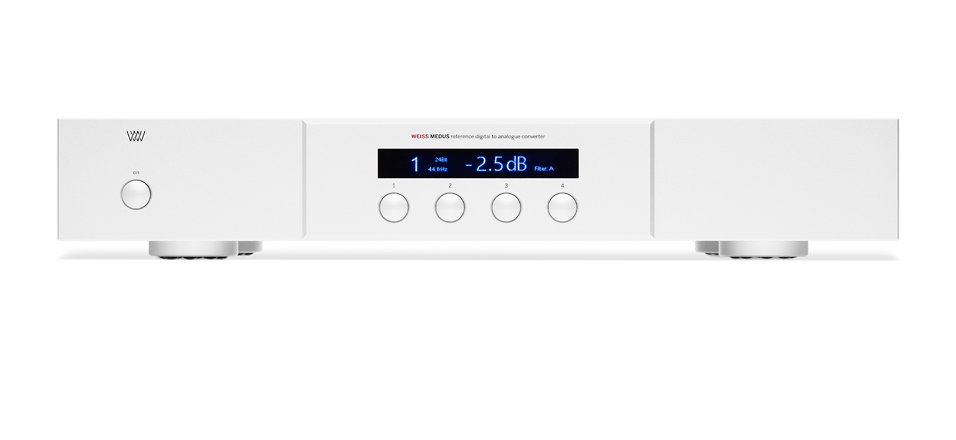
Read Moreنمایندگی Weiss برای اولین بار در ایران به ما تعلق گرفت و شاهد دمو بهترین DAC دنیا یعنی سری رفرنس Weiss خواهید بود.
برای حذف ترنسپورت و اتصال به کامپیوتر میشه از DAC های Weiss مدل DAC501/502 استفاده کرد.
سری های رفرنس Weiss DAC هم شفاف ترین صدای ممکن رو دارند.
سایت من راه اندازی شد در زمینه واردات و فروش تجهیزات صوتی . دو نمایندگی دارم یکی Audiopax و دیگری Audio Note UK که توضیحاتش رو در سایت میبینید.
Read Moreمن از امروز نماينده Audiopax برزیل در ايران هستم.
IRAN
Amir Audio Ltd.
Contact: Amir Hossein
Tel: +98 912-323 62-32
اگر سوالي داشتيد میتونید با شماره همراه من تماس بگيريد.
Read More
من از امروز نماينده Audio Note انگليس در ايران هستم.
https://www.audionote.co.uk/middle-east
IRAN
Amir Audio Ltd.
Contact: Amir Hossein
Tel: +98 912-323 62-32
اگر سوالي داشتيد میتونید با شماره همراه من تماس بگيريد.
Audio Note UK
Read More